Balance is something most of us take for granted , until we don't have it. Whether it's a slight stumble on an uneven sidewalk or the unsettling moment of catching yourself on a doorframe, these small warnings are your body telling you something important: your balance system needs attention.
The good news? Balance is a skill, and like any skill, it can be practiced, maintained, and improved at any age. At ABC Physical Therapy, we help people of all ages build the strength and stability they need to move through life confidently.
Why does balance decline as we age?
Our ability to maintain balance relies on a complex partnership between three systems: our vision, our vestibular system (inner ear), and our proprioception — the sensory feedback our muscles and joints send to our brain. As we age, all three of these systems gradually become less sharp.
Beyond the physical systems, reduced muscle strength — particularly in the legs and core — plays a major role. Muscle mass naturally decreases with age (a process called sarcopenia), and without intentional exercise, the muscles responsible for keeping us upright become weaker and slower to respond.
The real cost of poor balance
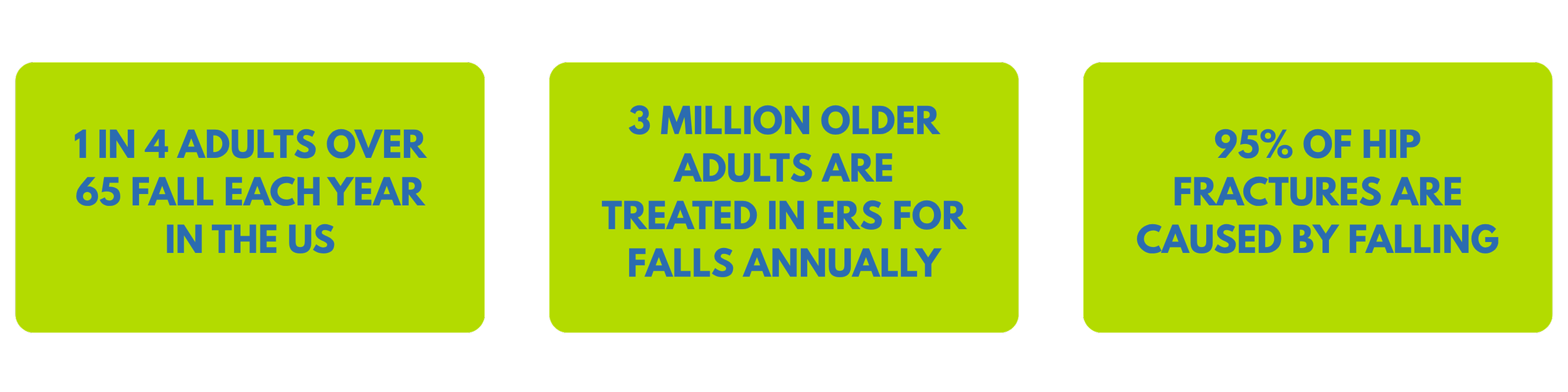
Falls are the leading cause of injury-related death among older adults, but the impact goes far beyond the physical. Many people who experience a fall — even without serious injury — develop a fear of falling again. This fear leads to reduced activity, which in turn leads to further muscle weakness and deconditioning, creating a cycle that's hard to break.
Maintaining good balance means staying active, staying social, and maintaining independence. It means continuing to do the things you love — whether that's hiking, playing with grandchildren, gardening, or simply walking to your mailbox without worry.
Simple exercises to build better balance
These exercises are a great starting point. They're gentle, can be done at home, and require no special equipment. As always, if you have any existing conditions or concerns, consult your physical therapist before beginning a new routine — we're here to help you get started safely.
Single-leg stand
Stand on one foot for 10–30 seconds, then switch. Use a wall or sturdy chair nearby for safety. Builds ankle and hip stabilizer strength.
Beginner friendly
Heel-to-toe walk
Walk in a straight line placing your heel directly in front of your opposite toe with each step, like walking a tightrope. Improves walking steadiness.
10 steps each way
Sit-to-stand
Rise from a chair without using your hands, then slowly lower back down. One of the best exercises for leg strength, which is foundational to good balance.
5–10 reps, 2 sets
Weight shifts
Stand with feet shoulder-width apart and slowly shift your weight from side to side, then forward and back. Trains your balance reactions in all directions.
30 seconds each way
Calf raises
Rise up onto your toes using a chair or counter for light support, hold briefly, then lower. Strengthens the calves, which are critical for push-off and recovery steps.
10–15 reps, 2 sets
Marching in place
Lift alternating knees toward your chest while standing near a counter. Improves hip flexor strength and simulates the demands of real-world walking.
1 minute, daily
Tips for safe practice
Always have a wall, chair, or sturdy surface within arm's reach
Wear non-slip footwear or do exercises on a non-slip surface
Practice at the same time each day to build consistency
Progress gradually — challenge should feel manageable, not scary
Stop if you feel pain, dizziness, or significant discomfort
When to see a physical therapist
Home exercises are a wonderful foundation, but a physical therapist can assess your specific balance deficits and tailor a program precisely to your needs. This is especially important if you've had a recent fall, have chronic pain in your legs or lower back, are recovering from surgery, or simply feel unsteady more often than you used to.
At ABC Physical Therapy, our balance and fall prevention programs combine strength training, proprioception work, gait analysis, and education — everything you need to feel secure on your feet again. We work with patients at every stage of life, from active adults looking to stay at the top of their game, to those rebuilding confidence after an injury.